Wondering if staging is really worth it before you sell in Carmel? In a market where homes often move quickly and buyers make fast judgments online, presentation can shape how your home is perceived from the very first photo. If you want your home to stand out without wasting time or money, a smart staging plan can help you focus on what matters most. Let’s dive in.
Why staging matters in Carmel
Carmel is a premium market, and buyers here often expect homes to feel polished, well cared for, and move-in ready. Realtor.com reported a median listing price of $630,000 in Carmel, with homes spending a median of 31 days on market in May 2026. In the 46033 ZIP code, the median days on market was even lower at 22 days.
That pace makes first impressions especially important. The Indiana Association of REALTORS® Hamilton County data also showed homes averaging 98.2% of original asking price on a three-week average, with 7 days on market for the week of June 8, 2026. In a market like that, staging is not about overdecorating. It is about helping buyers quickly understand value.
National staging research supports that idea. According to the 2025 Profile of Home Staging, 83% of buyers’ agents said staging made it easier for buyers to visualize a property as a future home. Another 30% of sellers’ agents reported slight decreases in time on market when a home was staged.
Start with what buyers see first
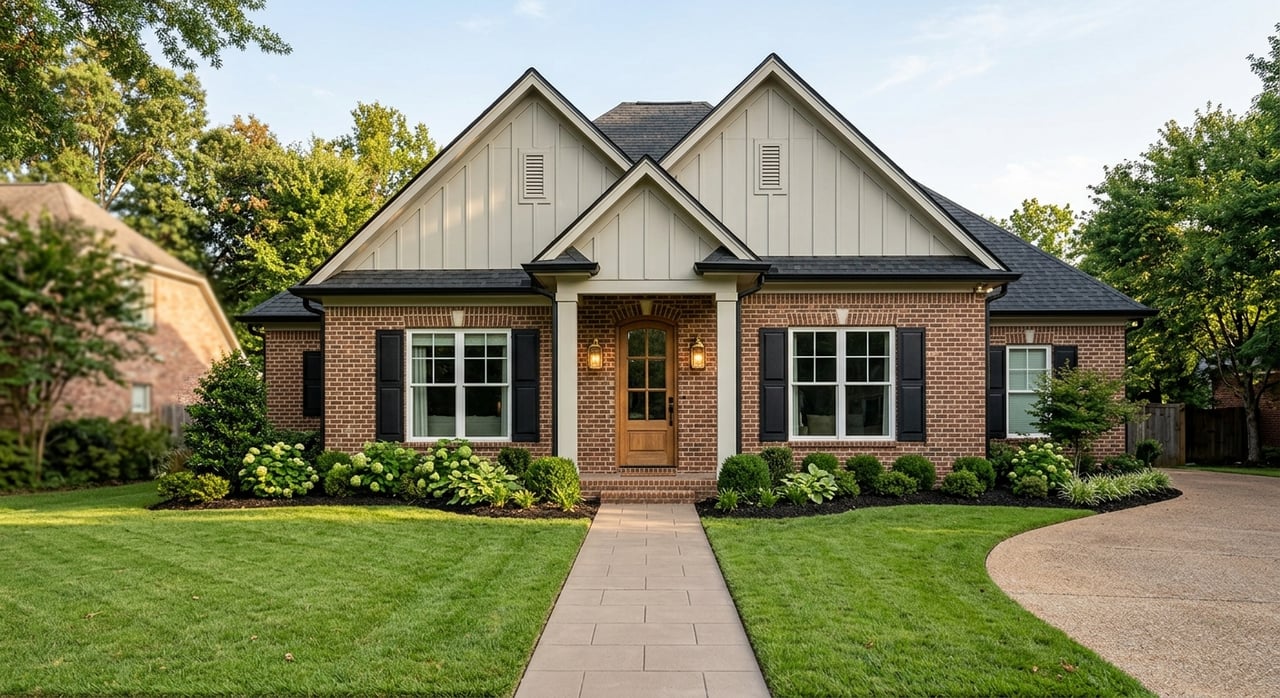
Your home begins competing before a buyer ever walks through the front door. Online photos, drive-up appeal, and the feeling of the entry all shape whether a showing feels exciting or easy to skip.
That is why curb appeal deserves attention early in the process. A tidy lawn, clean windows, a refreshed front door, and a simple, balanced entry can make the whole property feel more inviting. These details help signal that the home has been cared for, which can influence how buyers view everything inside.
Focus on the exterior basics
You do not need a major landscaping project to improve curb appeal. Often, the highest-impact updates are simple and practical.
Consider prioritizing:
- Freshly cleaned windows
- Trimmed landscaping and a neat lawn
- A clean walkway and front porch
- Updated or polished front door hardware
- A freshly painted front door if needed
- Simple potted plants near the entry
These small changes can make your listing photos stronger and help showings start on the right foot.
Stage the rooms that matter most
If you are not going to stage every room, start with the spaces buyers notice most. The 2025 NAR staging report found that the living room, primary bedroom, dining room, and kitchen were the most commonly staged areas.
That lines up with how buyers tend to shop. They want to understand how the home lives day to day, where they will gather, where they will relax, and whether the space feels functional and comfortable.
Living room
The living room is often the visual anchor of the home. Arrange furniture to support conversation and create an open, easy flow. If the room feels crowded, remove extra pieces so the space reads larger and more usable.
Keep decor simple and neutral. The goal is to help buyers focus on the room itself, not on your personal style.
Kitchen
In the kitchen, less is usually more. Clear counters, remove small appliances when possible, and keep surfaces bright and clean.
A kitchen does not need to look empty, but it should look easy to maintain. A few intentional accents can work well, but clutter can quickly make the room feel smaller and busier in photos.
Primary bedroom
The primary bedroom should feel calm and restful. Crisp bedding, reduced furniture, and clear walking paths can make a big difference.
If the room currently doubles as storage or overflow space, address that before listing. Buyers respond better when the room feels like a retreat rather than a catch-all.
Dining room
The dining room helps buyers understand how the home handles entertaining and daily life. Even a simple table setting can give the room purpose.
If your dining area is currently underused, staging can help define it. That matters more than many sellers realize, especially in open-concept layouts where room function needs to feel obvious.
Define every space clearly
One of the easiest ways to lose buyer interest is to leave a room feeling vague. If a space is empty or used for several unrelated purposes, buyers may struggle to understand its value.
Instead, give each room a clear job. A loft can become a reading nook, a spare bedroom can become a home office, and a finished basement corner can become a workout area or media space.
Why flex spaces matter
Clear room function helps buyers connect square footage to daily living. It also improves photos, because each image tells a more complete story about how the home can work.
That can be especially helpful in Carmel, where buyers may be comparing multiple well-presented homes. If your layout feels easier to understand, your home may be more memorable.
Make photos work harder
For many buyers, the showing starts online. The NAR report found that listing photos were more or more important to buyers’ clients 73% of the time, ahead of physical staging, videos, and virtual tours. Sellers’ agents also ranked photos as the top media priority at 88%.
That means staging and photography should work together. Bright, clean, uncluttered rooms usually photograph better, and better photos can bring more serious attention to your listing.
Improve light and visual clarity
Before photos and showings, focus on the basics that make rooms feel brighter and cleaner:
- Open blinds and curtains
- Replace dim or mismatched light bulbs
- Deep clean floors and surfaces
- Clean windows inside and out
- Remove personal photos
- Hide pet items and extra accessories
- Use neutral paint where needed
- Add mirrors carefully to reflect light
These changes help buyers focus on room size, layout, and condition instead of distractions.
Choose the right staging approach
Staging is not all or nothing. In many cases, the smartest plan is the one that matches your home’s condition, your budget, and your timeline.
According to NAR, the median reported spend was $1,500 when using a staging service and $500 when the seller’s agent personally staged the home. That gives you a useful baseline, but the right strategy depends on what your home needs most.
DIY staging
DIY staging can work well if your home is already in strong condition and you are comfortable editing furniture and decor. This approach often works best when you focus on decluttering, cleaning, lighting, and a few key rooms.
NAR found that decluttering, whole-home cleaning, and curb appeal were among the most common pre-listing recommendations. Those steps alone can create a meaningful improvement.
Partial staging
Partial staging is a strong option if you want impact without staging the entire house. You might focus on the living room, kitchen, primary bedroom, and one flex space.
This can be a practical middle ground for sellers who already have some attractive furnishings but need help refining layout, styling, and photo readiness.
Full-service staging
Full-service staging may make sense if the home is vacant, highly customized, or competing at a higher price point where presentation expectations are strong. It can also help when your existing furniture does not match the scale or style of the home.
In those cases, a polished, cohesive look can help buyers see the property more clearly and respond with greater confidence.
Virtual staging
Virtual staging can be helpful, especially for vacant homes. It can show how a room might function and help online shoppers understand the layout.
Still, it is worth remembering that NAR’s survey found buyers’ agents placed more value on physical staging than on virtual staging. Virtual staging can support marketing, but it usually works best as a supplement rather than a full replacement.
Match staging to pricing
Staging works best when it supports a realistic pricing strategy. A beautifully staged home can attract attention, but pricing still needs to reflect the current Carmel market and your home’s condition, location, and competition.
That is why preparation and pricing should happen together. When your presentation, photos, and list price are aligned, buyers are more likely to see the home as a strong value from the start.
A simple staging checklist before listing
If you want a practical place to start, use this checklist:
- Declutter every room
- Deep clean the whole home
- Tidy landscaping and entry areas
- Prioritize the living room, kitchen, primary bedroom, and dining room
- Define any flex or awkward spaces
- Remove personal items and pet accessories
- Improve lighting and brightness
- Clean windows and reflective surfaces
- Edit furniture for better flow
- Prepare the home with photography in mind
In Carmel, a thoughtful presentation can help your home compete from day one. You do not need to stage perfectly. You just need a plan that helps buyers see the home at its best.
If you are getting ready to sell and want clear advice on pricing, staging, and next steps, the Rasmussen Team can help you create a strategy that fits your home and your timeline.
FAQs
Which rooms should I stage first in a Carmel home?
- Start with the living room, primary bedroom, kitchen, and dining room, since staging research shows those spaces tend to have the biggest impact.
Do Carmel sellers need professional staging?
- Not always. If your home is already in good condition, a DIY or partial staging approach may be enough, especially when you focus on decluttering, cleaning, lighting, and the highest-impact rooms.
Do listing photos really matter when selling a home in Carmel?
- Yes. Staging research shows photos are a top priority for buyer response, and bright, clean, clearly defined rooms usually perform better online.
Is virtual staging enough for a vacant Carmel home?
- It can help buyers understand layout and function, but physical staging is generally valued more highly, so virtual staging often works best as a supplement.
How much should I budget for staging before selling in Carmel?
- NAR reported a median spend of $1,500 when using a staging service and $500 when the seller’s agent personally staged the home, though your actual cost will depend on the level of help you choose.